Excellent effluent quality
Low suspended solids, bacteria, BOD and nutrients simplify discharge, disinfection and water reuse.
Our technologies
Biological wastewater treatment and membrane filtration in one compact system for municipal, industrial and decentralized applications.
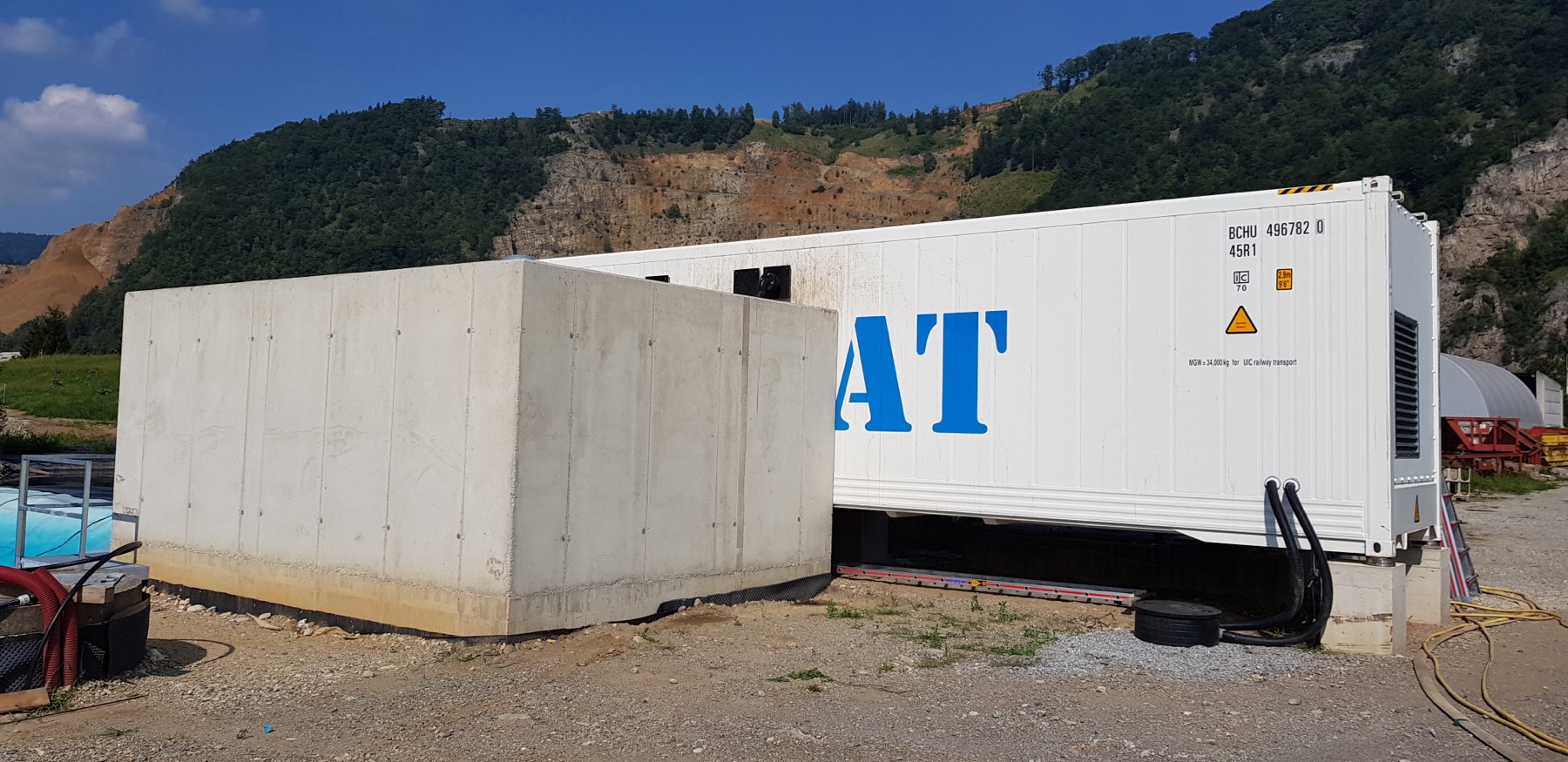
Process principle
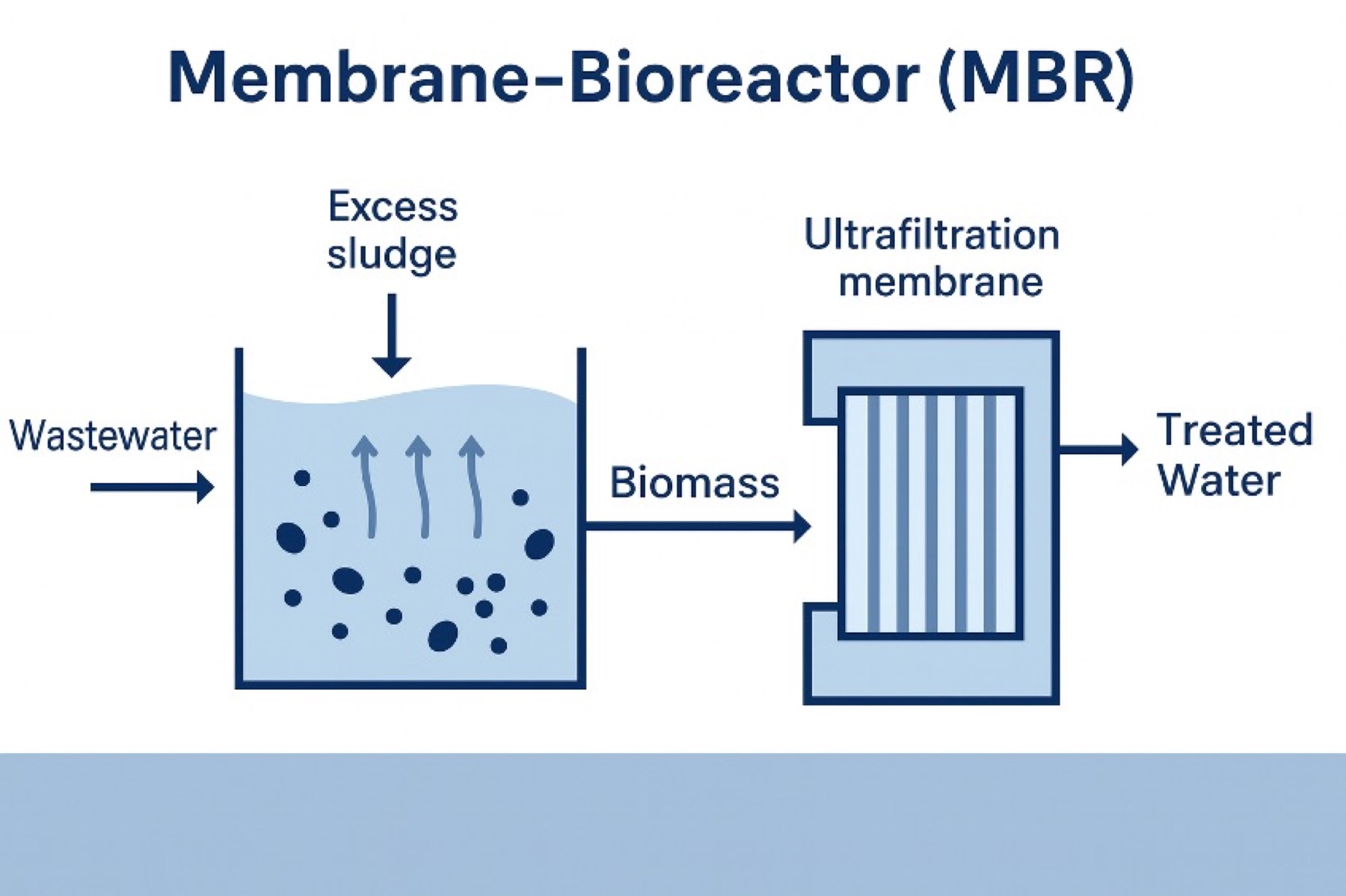
Membrane bioreactor units integrate a suspended-growth biological reactor with a membrane module. Microorganisms degrade organic pollutants in the biological stage, while microfiltration or ultrafiltration membranes separate clean water from biomass, suspended solids and residual contaminants.
The membrane stage replaces the secondary clarifier and sand filtration normally required in a conventional activated sludge plant. Because the biomass is retained by the membrane, higher mixed liquor concentrations can be operated and the biological reactor can be built more compactly.
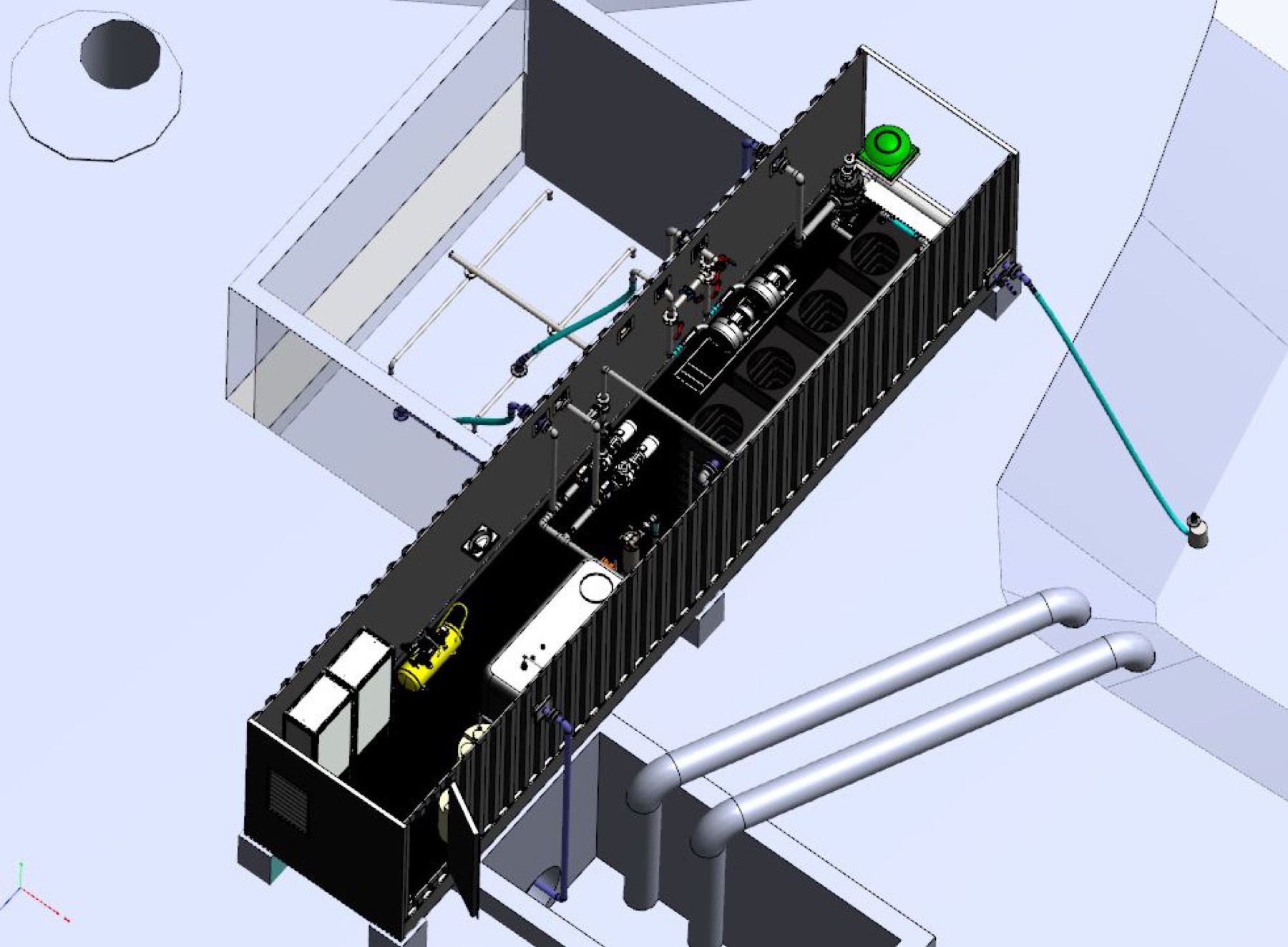
Influent wastewater is screened to remove coarse solids and protect downstream equipment. Depending on the water quality, additional pre-treatment such as grit removal, fat and oil separation, pH adjustment or chemical dosing can be integrated. In the biological reactor, aerated microorganisms consume organic pollutants and convert biodegradable load.
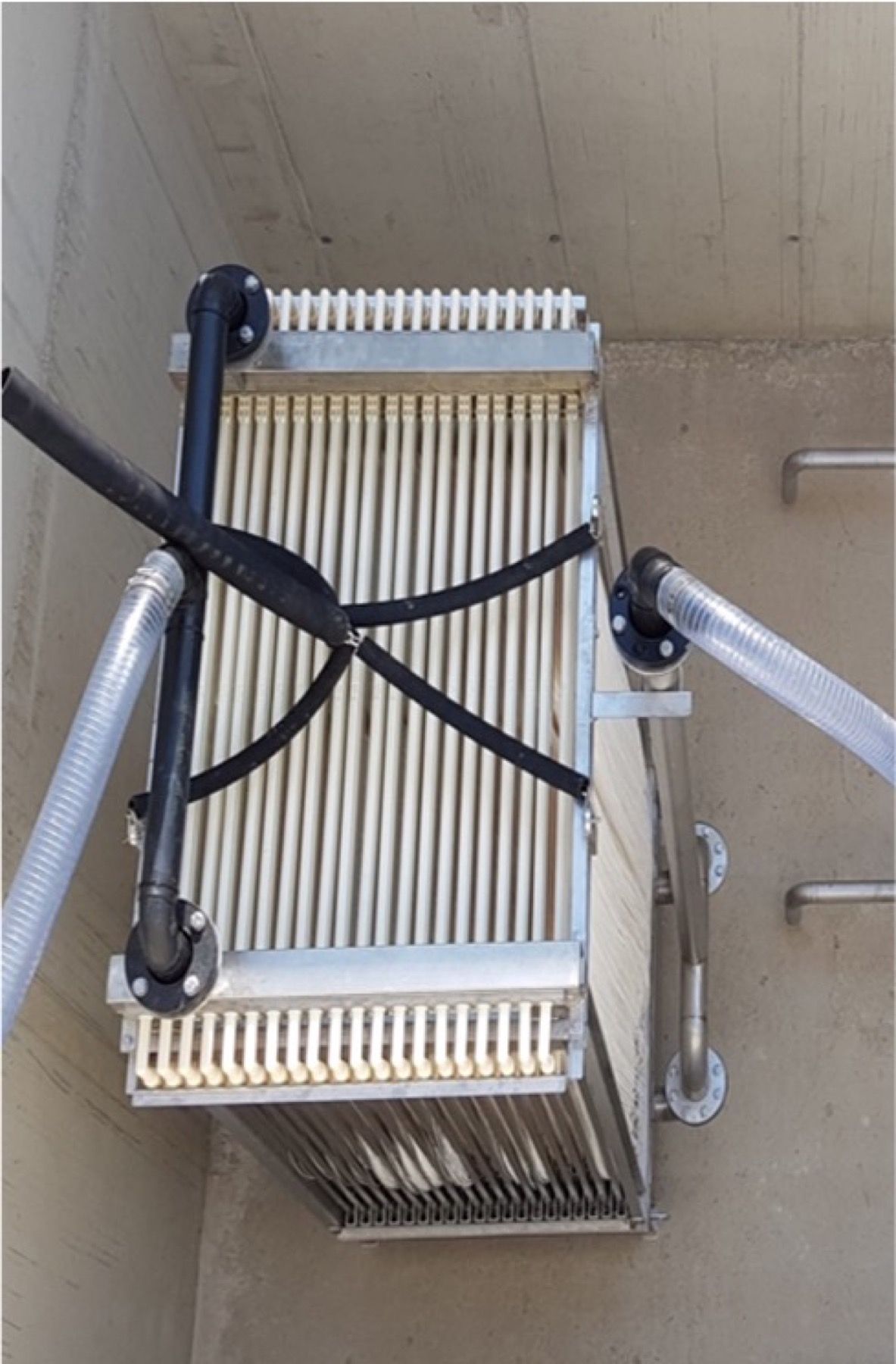
The mixed liquor flows through submerged or external membrane modules. The membrane retains sludge and particles as retentate, while treated water passes through as permeate. This produces clear effluent with low concentrations of bacteria, total suspended solids, BOD and phosphorus, supporting discharge, reuse or additional polishing.
Engineering focus
MBR design must address membrane fouling, energy demand and maintenance access from the beginning. ROTREAT combines robust pre-treatment, suitable aeration, backwashing or chemical cleaning concepts and monitoring of membrane integrity and biological performance.
Why MBR
MBR systems overcome many limitations of conventional biological systems by combining degradation of organic load with reliable membrane separation.
Low suspended solids, bacteria, BOD and nutrients simplify discharge, disinfection and water reuse.
Membrane separation replaces clarification and tertiary filtration, reducing space requirements.
Controlled aeration, filtration cycles, cleaning and monitoring support stable long-term operation.
Technical presentation
The ROTREAT presentation on membrane-based wastewater treatment is available as a download and can be expanded into additional web content later.
FAQ
An MBR can reduce biodegradable organic load and suspended solids before downstream membrane treatment, improving the design basis for polishing or reuse concepts.
Typical MBR applications include compact wastewater treatment, decentralized plants, reuse-ready effluent and biological pre-treatment before reverse osmosis.
More ROTREAT topics